Clivers - Galium aparine
![]()
![]()
Description
– An annual with slender quadrangular stalks which grow over the ground and
over other plants using small hooked bristles on the stalks and leaves to
attach itself to passing objects and shrubs. Narrow lance-shaped leaves about
half an inch long and quarter of an inch wide arranged in rosettes of six or
eight leaves together. Small white or greenish white star shaped flowers. Small
globular seed vessels covered in hooked bristles which readily adhere to coat
of any passing animal which touches them.
Habitat
- abundant in
hedgerows, fields and waste land
Common Names:
Cleavers, Clite, Click,
Clitheren, Clithers, Goosegrass. Barweed. Hedgeheriff. Hayriffe. Hedge-burrs,
Eriffe. Clabber Grass, Grip Grass. Hayruff. Catchweed. Scratweed. Mutton Chops.
Robin-run-in-the-Grass, Cheese rent herb Robin, Loveman. Goosebill. Everlasting
Friendship, Bedstraw, Coachweed, Milk Sweet, Sticky Willy, Kisses, Sweethearts.
Most of the common names derive from the clinging
nature of the plant.
Traditional medicinal uses
– (Herbs and plants should never
be used for medicinal purposes without first consulting a qualified herbalist
and Doctor)
Purifier of the blood and an ingredient in rural 'spring drinks.' Used
to treat scurvy, scrofula, psoriasis, skin diseases, a diuretic and solvent of
stones in the bladder. Clivers tea used for
tonsillitis, arthritis, jaundice and dropsy.
Clivers was used in Europe for ME, Hepatitis, healing wounds and sores,
psoriasis, cysts, boils, and swellings and for treating skin infections, swollen
lymph glands and snakebites. Also was used for insomnia, as a wash to treat sun
burn and as an ointment for scalds and burns. C
ooked as a
vegetable, like spinach, Clivers which the Chinese call Chu-yang-yang, was
considered by the ancients as an excellent remedy for obesity and also for
cleansing the blood.
Additional
comments -
The seeds of Clivers used as substitute for coffee;
seeds dried and slightly roasted over a fire . Geese are extremely fond of the
herb and it is often collected to feed Poultry, Horses, cows and sheep. Clivers
is also an important food for the larvae of many butterfly species. Greek
shepherds used the stems as a rough sieve and it was used in Sweden as a
filter to strain milk. Its seeds have been found in Neolithic settlements
possibly due to their use in curdling milk into cheese (its botanical name
“Galium” derives from the Greek word meaning milk).
Folklore,
Myths and Fables –
Clivers
has been used as an ingredient in love potions the drinking of which would make
the drinker so beautiful that everyone would fall In love with them. When
steeped in white wine or ale, it was thought to increase inebriation.
Clivers - Galium aparine
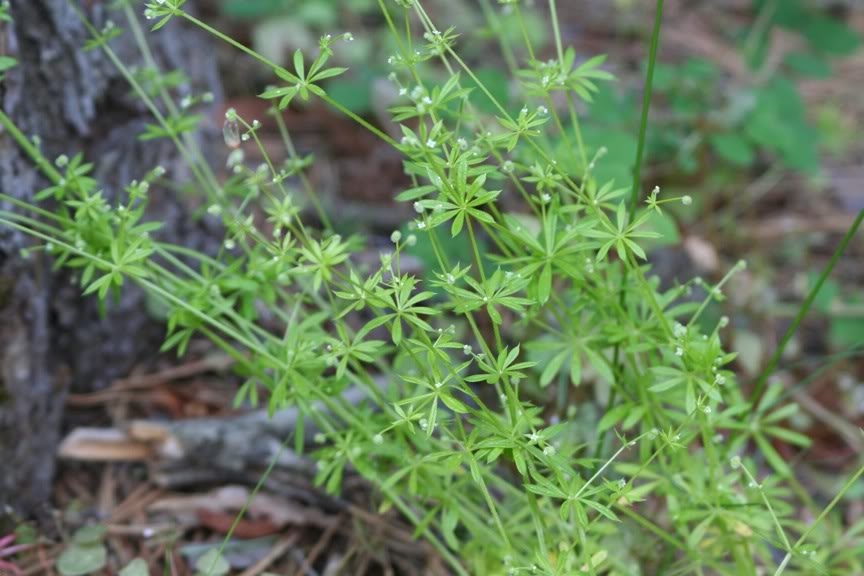
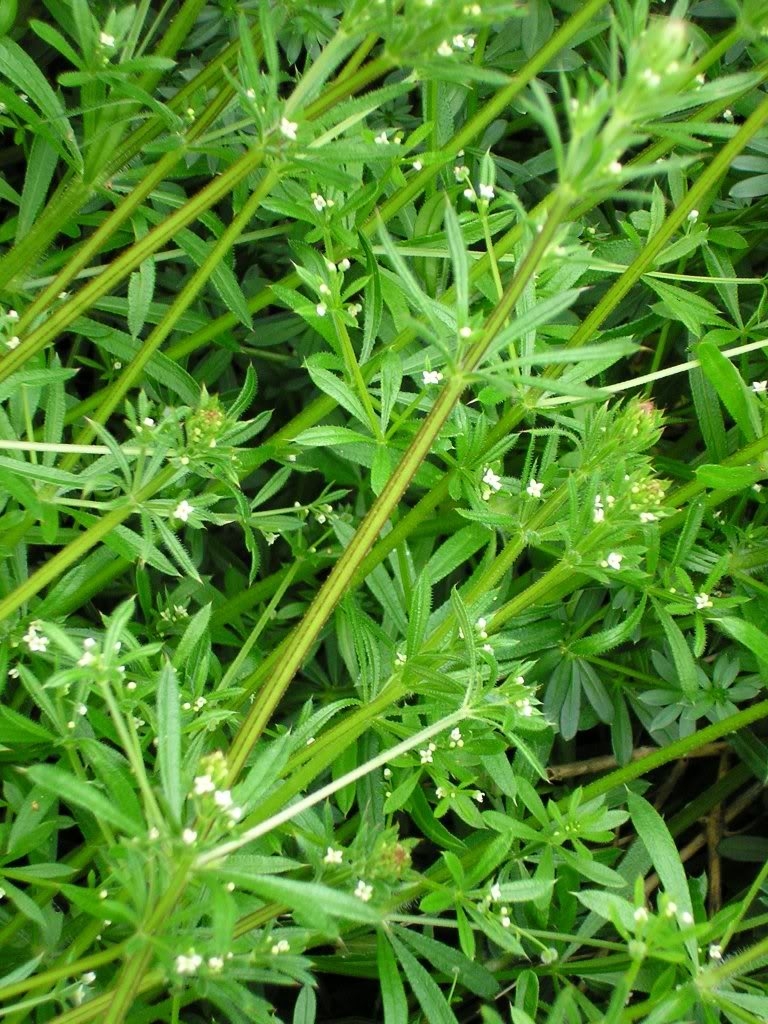
Description – An annual with slender quadrangular stalks which grow over the ground and over other plants using small hooked bristles on the stalks and leaves to attach itself to passing objects and shrubs. Narrow lance-shaped leaves about half an inch long and quarter of an inch wide arranged in rosettes of six or eight leaves together. Small white or greenish white star shaped flowers. Small globular seed vessels covered in hooked bristles which readily adhere to coat of any passing animal which touches them.
Habitat - abundant in hedgerows, fields and waste land
Common Names: Cleavers, Clite, Click, Clitheren, Clithers, Goosegrass. Barweed. Hedgeheriff. Hayriffe. Hedge-burrs, Eriffe. Clabber Grass, Grip Grass. Hayruff. Catchweed. Scratweed. Mutton Chops. Robin-run-in-the-Grass, Cheese rent herb Robin, Loveman. Goosebill. Everlasting Friendship, Bedstraw, Coachweed, Milk Sweet, Sticky Willy, Kisses, Sweethearts.
Most of the common names derive from the clinging nature of the plant.
Traditional medicinal uses – (Herbs and plants should never be used for medicinal purposes without first consulting a qualified herbalist and Doctor)
Purifier of the blood and an ingredient in rural 'spring drinks.' Used to treat scurvy, scrofula, psoriasis, skin diseases, a diuretic and solvent of stones in the bladder. Clivers tea used for tonsillitis, arthritis, jaundice and dropsy. Clivers was used in Europe for ME, Hepatitis, healing wounds and sores, psoriasis, cysts, boils, and swellings and for treating skin infections, swollen lymph glands and snakebites. Also was used for insomnia, as a wash to treat sun burn and as an ointment for scalds and burns. C ooked as a vegetable, like spinach, Clivers which the Chinese call Chu-yang-yang, was considered by the ancients as an excellent remedy for obesity and also for cleansing the blood.
Additional comments - The seeds of Clivers used as substitute for coffee; seeds dried and slightly roasted over a fire . Geese are extremely fond of the herb and it is often collected to feed Poultry, Horses, cows and sheep. Clivers is also an important food for the larvae of many butterfly species. Greek shepherds used the stems as a rough sieve and it was used in Sweden as a filter to strain milk. Its seeds have been found in Neolithic settlements possibly due to their use in curdling milk into cheese (its botanical name “Galium” derives from the Greek word meaning milk).
Folklore, Myths and Fables – Clivers has been used as an ingredient in love potions the drinking of which would make the drinker so beautiful that everyone would fall In love with them. When steeped in white wine or ale, it was thought to increase inebriation.
